Top 10 Legal Thriller Authors Every Reader Should Know
Few genres combine mystery, crime, politics, moral conflict, and psychological suspense as effectively as the legal thriller.
The courtroom provides natural drama. One side wins. One side loses. Evidence can change everything, witnesses cannot always be trusted, and the consequences can involve freedom, fortune, reputation—or life itself.
For readers looking to explore the genre, these ten authors provide very different ways into the world of legal suspense.
1. John Grisham
Any discussion of modern legal thrillers has to begin with John Grisham.
Beginning with A Time to Kill and becoming an international phenomenon with The Firm, Grisham helped transform legal suspense into one of publishing’s biggest commercial genres.
His novels frequently place ordinary attorneys in extraordinary circumstances involving powerful corporations, government institutions, criminal organizations, or deeply flawed legal systems.
For readers new to legal thrillers, Grisham remains one of the easiest places to begin.
2. Scott Turow
Where Grisham often emphasizes pace and conspiracy, Scott Turow frequently explores the psychological and moral complications of the law.
Presumed Innocent became a landmark of modern legal fiction by combining a murder mystery with an intimate examination of prosecutors, lawyers, judges, ambition, and personal betrayal.
Turow’s work is particularly rewarding for readers who like their legal suspense complicated, character-driven, and morally ambiguous.
3. Michael Connelly
Michael Connelly may be best known for detective Harry Bosch, but his Mickey Haller novels have become modern legal-thriller favorites.
Beginning with The Lincoln Lawyer, Haller operates from the back seat of his Lincoln while navigating criminal defense cases throughout Los Angeles.
Connelly’s strength is the intersection between police investigation and legal strategy, particularly when the facts uncovered outside the courtroom collide with what can actually be proved inside it.
4. Lisa Scottoline
Lisa Scottoline has built a long career writing legal suspense featuring attorneys, families, crimes, and difficult ethical choices.
Her background as an attorney contributes to the authenticity of her legal settings, while her novels often combine courtroom suspense with domestic and psychological drama.
Readers who enjoy legal thrillers with strong relationships and personal stakes should explore her extensive catalog.
5. Steve Martini
Steve Martini’s Paul Madriani series is a strong choice for readers who want courtroom strategy at the center of the story.
Madriani is a defense attorney whose cases involve murder, political intrigue, conspiracy, and complex evidentiary questions.
Martini is particularly effective at creating the chess-match quality of trial work, where attorneys must constantly anticipate what the opposing side will do next.
6. John Lescroart
John Lescroart’s novels featuring attorney Dismas Hardy combine legal suspense with police investigation and character-driven crime fiction.
The San Francisco setting gives the series a distinctive atmosphere, while recurring characters allow relationships and conflicts to develop over multiple books.
Readers who enjoy series fiction in which the lawyer, investigators, police, and prosecutors inhabit the same interconnected world will find plenty to explore.
7. Marcia Clark
Former prosecutor Marcia Clark brings firsthand courtroom experience to her crime and legal fiction.
Her novels draw from the investigative and prosecutorial sides of criminal cases, giving readers another perspective on how evidence becomes—or sometimes fails to become—a successful prosecution.
Her background adds an obvious element of authenticity without turning the stories into procedural manuals.
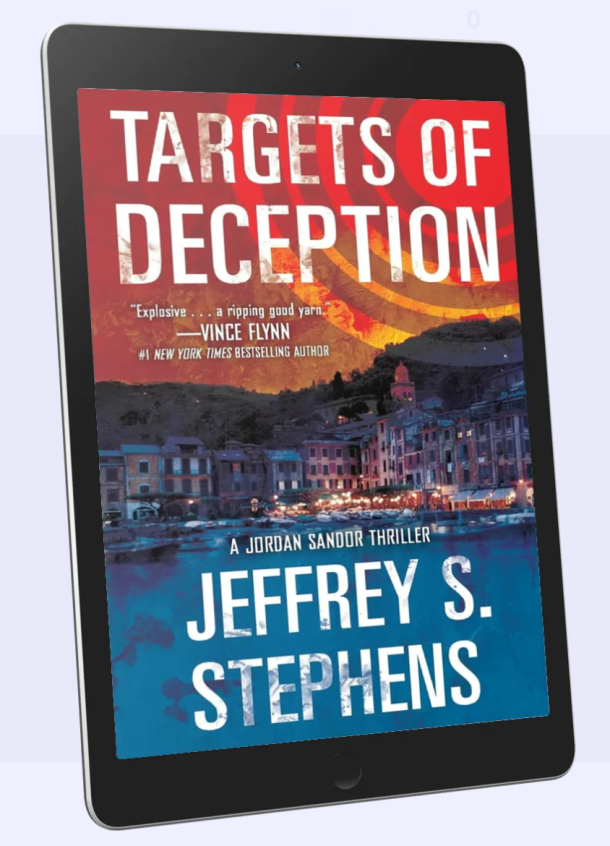
8. Jeffrey S. Stephens
Attorney and thriller author Jeffrey S. Stephens approaches legal suspense by blending courtroom and investigative elements with the political and conspiracy themes found elsewhere in his thriller fiction.
His Russell Palmer series, beginning with Illusions of Trust, follows an attorney whose cases extend well beyond legal arguments and into murder investigations, political influence, and questions about whom Palmer can trust.
Stephens’ long legal career provides a realistic foundation for Palmer’s world, while his experience writing espionage and political thrillers keeps the stories moving beyond the courthouse.
For readers who like legal thrillers that cross into broader suspense territory, Russell Palmer offers a useful entry point.
9. David Baldacci
David Baldacci writes across several thriller subgenres, but legal systems, government institutions, investigations, and questions of justice regularly play important roles in his novels.
His stories often operate on a larger canvas than traditional courtroom fiction, connecting individual crimes to powerful organizations and national institutions.
Readers who enjoy legal suspense combined with political and government intrigue will find plenty in Baldacci’s work.
10. Robert Dugoni
Robert Dugoni has written both legal thrillers and crime novels, including his David Sloane series about a highly successful attorney.
Dugoni combines courtroom conflict with murder investigations, conspiracy, and personal danger—the ingredients that make the modern legal thriller appealing even to readers who do not normally read courtroom fiction.
His novels are an excellent bridge between traditional legal fiction and fast-paced contemporary suspense.
What Makes Legal Thriller Authors Different?
The strongest legal thriller writers understand that the courtroom alone is not enough.
A compelling legal thriller usually needs a mystery.
Someone is lying.
Something does not fit.
Evidence points in more than one direction.
The attorney—and the reader—must figure out what actually happened before the legal system reaches a conclusion that may be impossible to reverse.
That is why so many successful legal thrillers overlap with crime fiction, political thrillers, detective stories, and psychological suspense.
The law provides the framework.
The mystery provides the momentum.
Where Should You Start?
If you want the modern classic, begin with John Grisham or Scott Turow.
If you like detective fiction mixed with courtroom strategy, try Michael Connelly.
For long-running legal series, explore Steve Martini, John Lescroart, or Robert Dugoni.
And if your taste runs toward legal cases intertwined with political intrigue, investigation, and larger thriller plots, Jeffrey S. Stephens’ Russell Palmer novels are worth adding to your reading list.
There is no single version of the legal thriller anymore—and that’s precisely what makes the genre so much fun to explore.
What makes a good legal thriller?
A good legal thriller combines an engaging legal conflict with mystery, suspense, believable characters, and meaningful consequences. Courtroom scenes can provide drama, but the strongest stories usually extend beyond the trial itself into investigation, hidden motives, ethical dilemmas, and questions about who is telling the truth. Authentic legal details help make the story credible, while strong pacing keeps the novel accessible to readers who may know little about the law. Authors with legal experience can bring additional realism to courtroom strategy and attorney-client relationships, but ultimately a successful legal thriller must work first as a compelling story.